Street furniture in urban spaces has the power to shape how people connect and interact with one another. Beyond its functional role - providing seating, tables, bins, and bike racks - it plays a critical part in how environments are experienced, how long people stay and who feels welcome. Thoughtfully-designed street furniture can foster inclusivity and accessibility, supporting people of all ages, backgrounds, and abilities. When carefully considered, it helps define how public spaces are used, encouraging connection, comfort, and a sense of belonging; when overlooked, it can unintentionally exclude those it should serve.
At botton+gardiner, we place user experience at the core of our street furniture design – ensuring the balance between durability, sustainability and thoughtful design is integrated to create public spaces that are inclusive and made to last.
The Role of Street Furniture in Urban Design
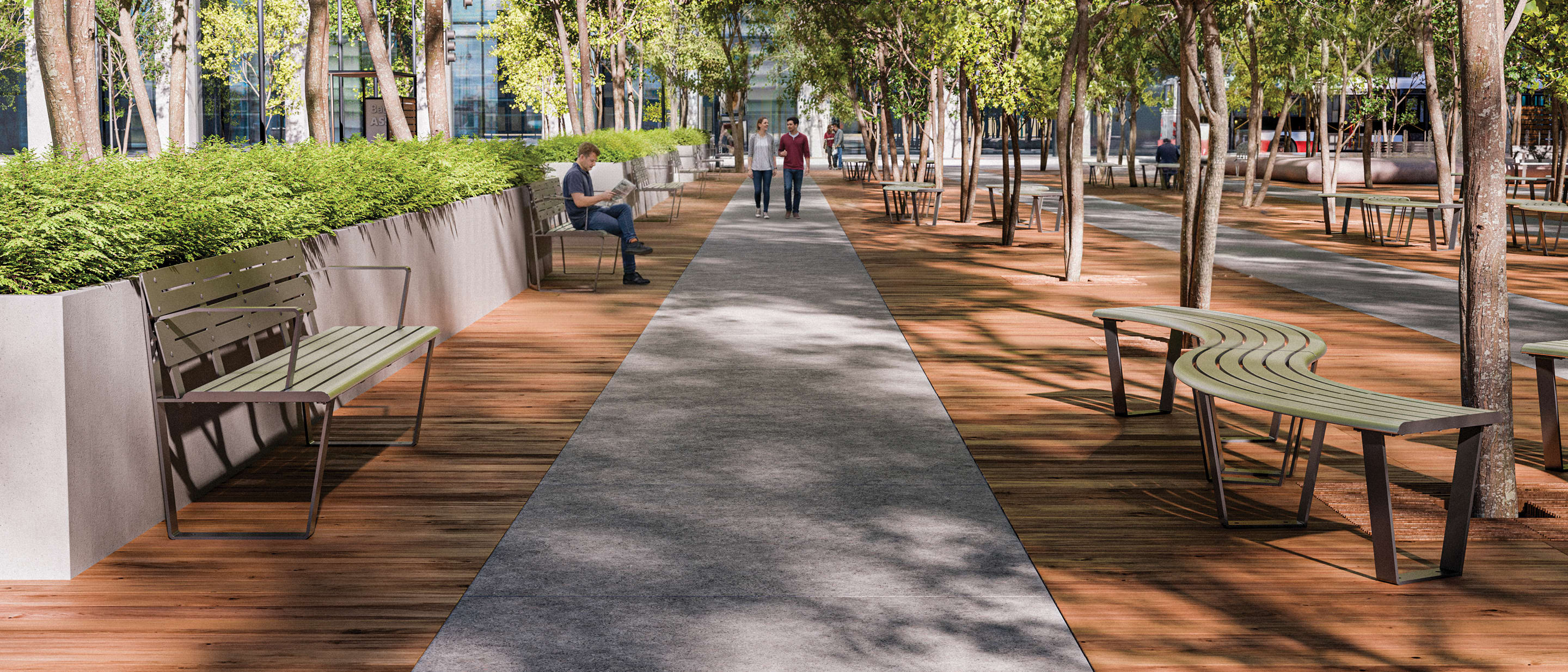
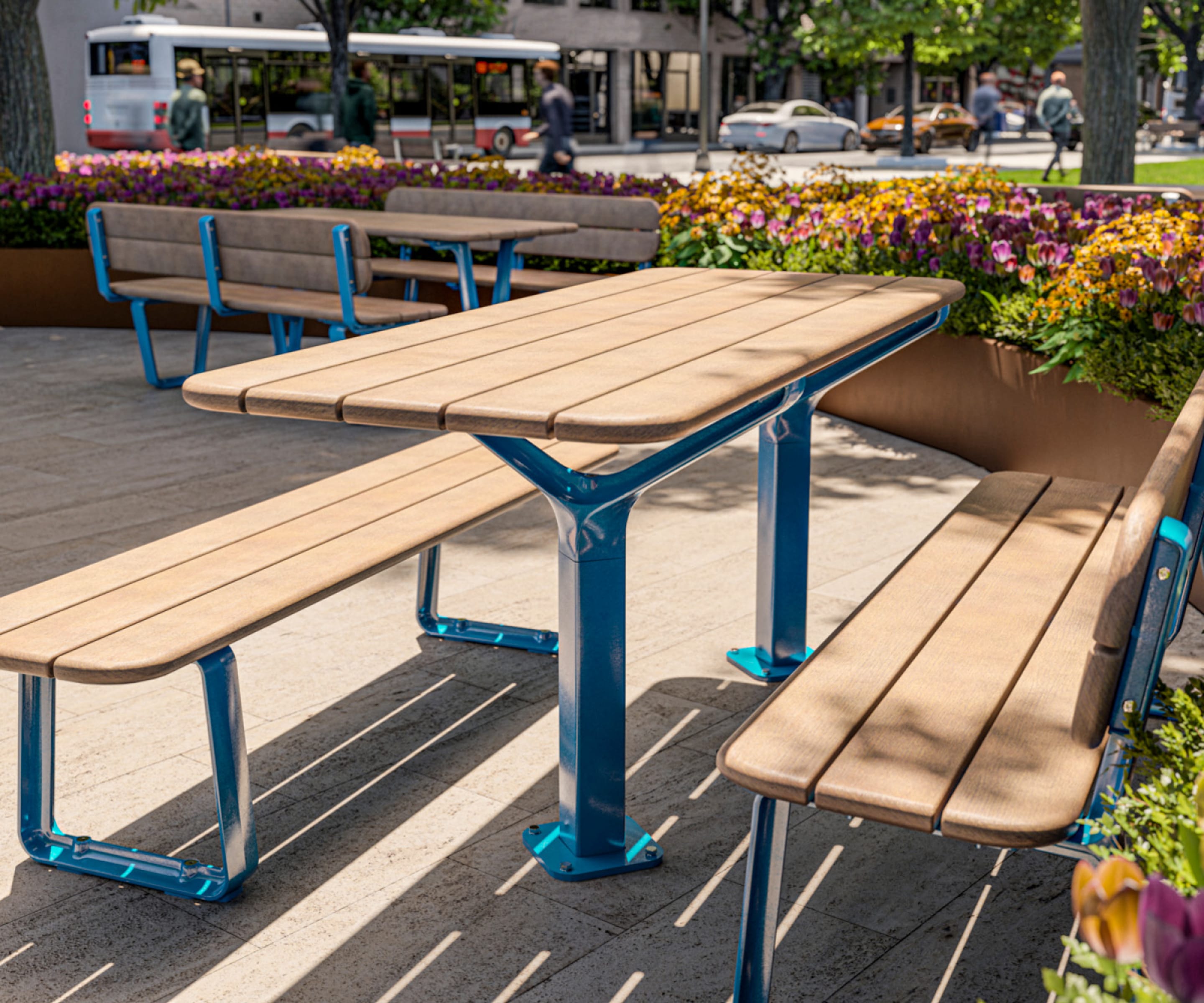
Street furniture placement is a fundamental element of placemaking in urban design. It provides structure within plazas, parks and streets, subtly guiding how people move through and engage with these environments. When thoughtfully designed and positioned, street furniture enhances usability, supports intuitive navigation, and encourages people to gather, rest, and connect within a space. For example, furniture such as the Avenue Form Cafe Table creates natural gathering points for connection, while the Avenue Form Straight Plinth Bench helps guide spatial boundaries for movement and rest.
In practice, street furniture in urban design helps:
Determine zones within public spaces
Supports pedestrian rest areas within high traffic environments
Encourages moments of pause throughout urban areas
Dictates the identity of a place
By placing people’s needs and abilities at the core of urban design, they become more active, cleaner, safer and inclusive for all.

Comfort, Accessibility and Inclusive Design
For a space to feel comfortable, accessible and inclusive, it is important that people of all ages and abilities are able to move and interact within it safely. To do so, designers must not only consider the placement of furniture within a space but also the street furniture design itself. Seating with backrests and armrests for support, appropriate seat heights, and weather protection can all determine how comfortable and usable a space is.
Keeping clear circulation space between street furniture and amenities is also essential to accessibility. Accessibility standards such as Australia's AS1428 guide on inclusive public space design ensure street furniture is compliant and usable. When these considerations are applied early on, spaces become more inclusive and welcoming from the beginning, encouraging people to utilise the public areas as intended.
Encouraging Social Interaction and Community
Street furniture determines how people connect and interact with one another. When seating and tables are placed intentionally in clusters, around natural features or high foot traffic areas, it creates natural gathering points. This is crucial to encouraging social interaction and community in urban environments.
The type of street furniture and placement in mixed-use urban environments are particularly important when thinking about the intended use. Comfortable and accessible seating encourages people to stay longer and connect with their communities. Ultimately, well-considered street furniture doesn't just move people through a space — it shapes how they experience it together.

Materials, Sustainability and Durability
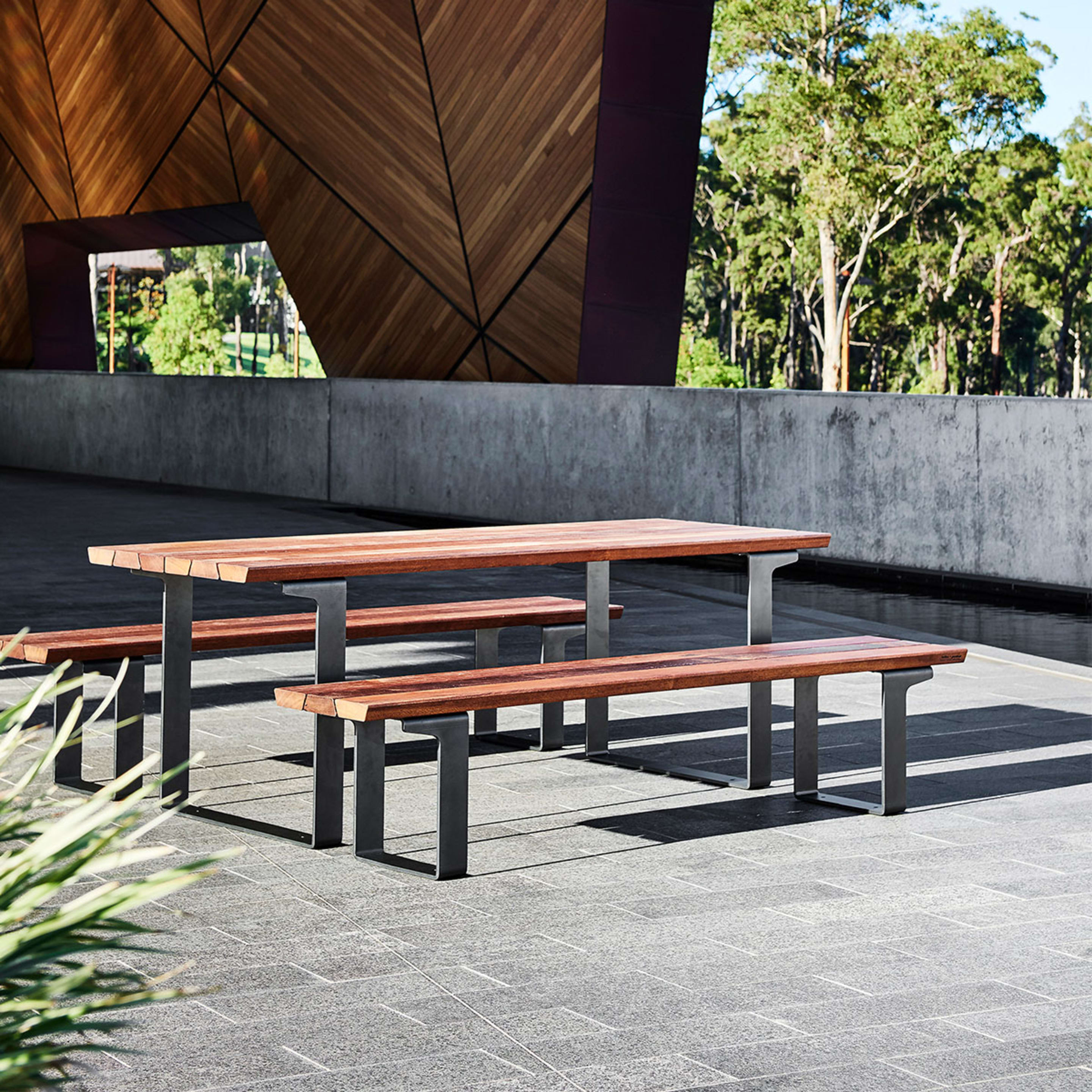
When selecting street furniture for public spaces, one of the most important considerations is the sustainability and durability of the materials. In Australia, street furniture needs to be able to withstand harsh weather conditions, such as intense UV exposure, coastal conditions and temperature extremes. It is also important to select materials that are suitable for frequent use and are vandal-resistant.
At the same time, designing for climate resilience and sustainability is no longer an emerging trend but an expected baseline. Recycled plastics, local and responsibly sourced timber, aluminium and long-lasting finishes support circularity whilst reducing the environmental impact. These materials ensure that street furniture in urban design performs in high-traffic areas while also supporting sustainability in public spaces.
botton+gardiner’s street furniture has been designed with these principles in mind through utilising:
Certified Australian hardwoods
Locally sourced steel and aluminium with recycled content
Using sustainable alternatives such as Duraslat
UV-resistant stains and protective finishes
These modular systems and durable finishes help reduce long-term cost by maintaining consistent performance. For example, botton+gardiner’s commercial bins or integrated bin stations are built with robust materials to ensure they withstand the test of time. This guarantees street furniture and amenities solutions that are designed to last.
Design Tips for Meaningful Public Spaces
To get started on selecting street furniture for urban spaces, designers and planners should consider:
How people move within a space and where the natural pauses are – Placing seating near intersections, pathways and viewpoints or near amenities such as drinking fountains or public bathrooms.
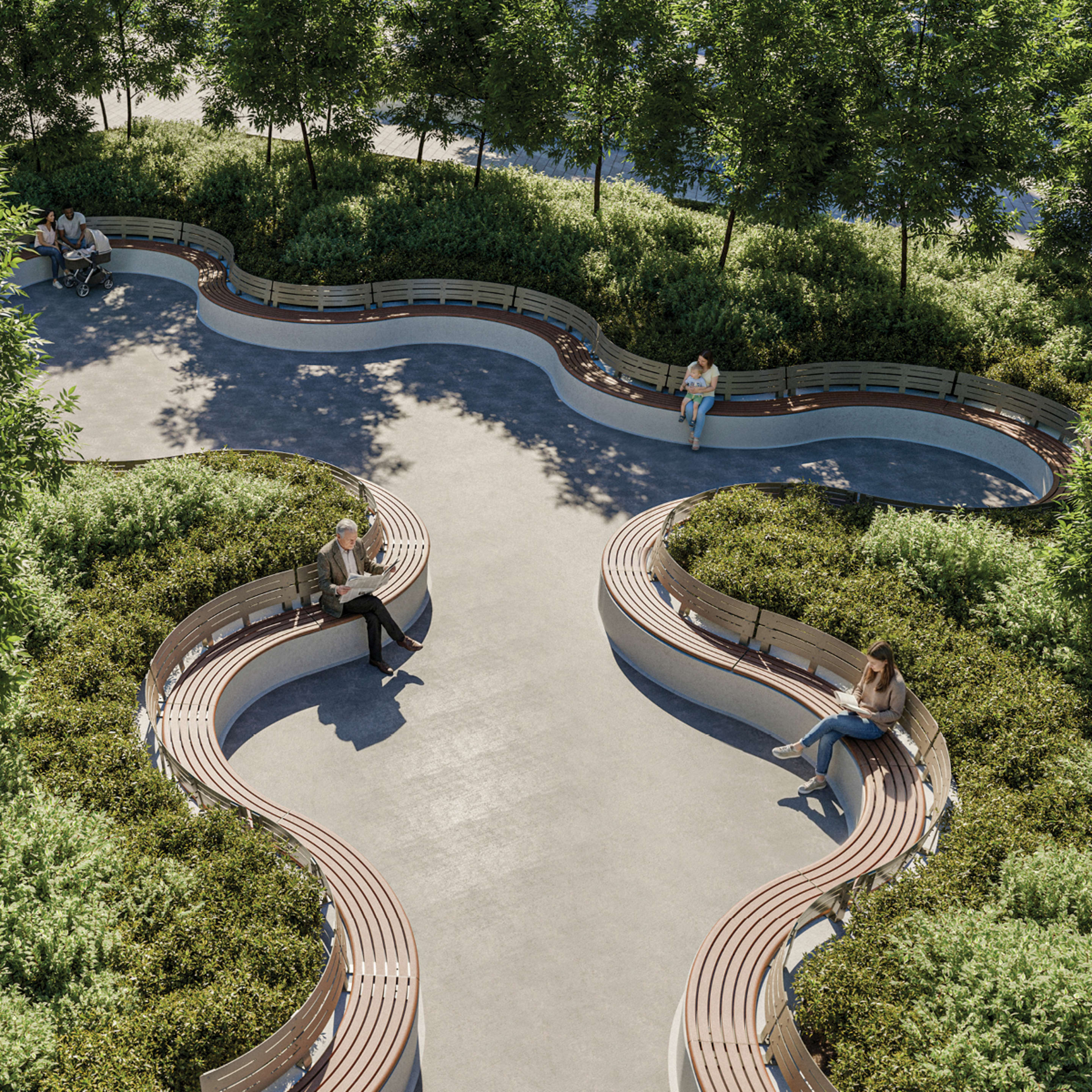
How the street furniture can fit into the overall environment – This creates more comfortable and engaging urban environments, as the street furniture complements a space rather than detracting from it. Avenue Form Curved Plinth Bench blends seamlessly into the surroundings while offering spaces of rest and connection.
Who will be using the space – By providing a variety of seating options and ensuring accessibility points, urban spaces will be inclusive for all communities.
How sustainable and durable materials are and whether they suit the local climate conditions – To ensure spaces are built to last, and lifecycle performance is considered, choosing the right materials from the onset makes a big difference to how street furniture performs in public spaces.
By keeping these considerations front of mind, landscape architects, designers and developers can create public spaces that are not only functional and lasting, but genuinely welcoming to everyone.
Designing Public Spaces That Work for Everyone
The most memorable public spaces don't happen by accident — street furniture and urban design play a bigger role than most people realise, shaping where people sit, pause and connect. Thoughtfully designed street furniture, such as seating areas, tables and rest areas, shapes comfort, accessibility and the long-term performance of a space. When taking these considerations into the broader context of large urban spaces, they can help create vibrant spaces for communities to come together and enjoy public spaces.
By placing people at the centre of design, botton+gardiner street furniture ensures public environments are not only functional and long-lasting but also vibrant spaces that welcome people of all backgrounds, ages, and abilities.